The Problem with AI Code Builders
Every AI code builder in 2026 generates the same thing: React + Tailwind + ShadCN. Bolt, v0, Lovable, Replit — they all target the same stack and produce similar output. If you want a landing page or a SaaS dashboard, they work fine.
But if you work in the Shopify ecosystem — and 700,000 developers do — none of them help you. Shopify uses Liquid, a templating language that most AI models barely understand because it is underrepresented in training data. Shopify apps use Remix with App Bridge and Polaris, a very specific framework stack. And Shopify Hydrogen storefronts use the Storefront API with a particular set of React components.
Generic AI builders cannot generate any of this.
What Vulk Now Generates
Vulk supports three distinct Shopify development modes, auto-detected from your prompt:
1. Shopify Liquid Themes
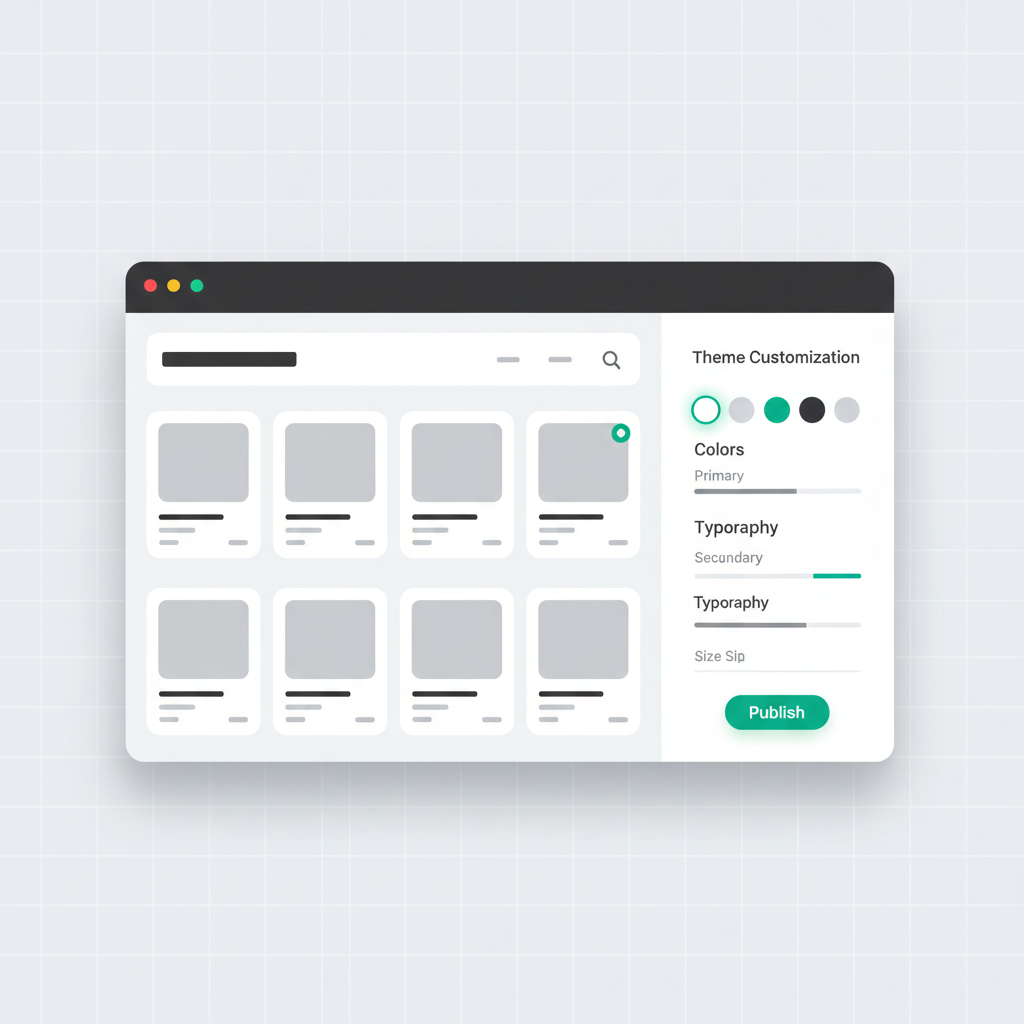
Describe a store and Vulk generates a complete Online Store 2.0 theme with Dawn-compatible architecture. The output includes layout files, section templates, snippets, settings schema with full Theme Editor customization, mobile-first responsive CSS, and ARIA accessibility. Every generated theme follows Shopify's current best practices for section-based architecture.
The live preview renders actual Liquid code using a built-in rendering engine with 40+ registered Liquid filters — the same filters Shopify uses in production (money, image_url, handleize, asset_url, and dozens more). The preview includes mock product data, collections, cart, and navigation so you can see how the theme looks with realistic content.
2. Shopify Apps (Plugins)
For app developers, Vulk generates complete Shopify applications using Remix, App Bridge, and Polaris — the official Shopify development stack. Generated apps include OAuth 2.0 authentication, webhook handlers, Prisma database integration, Admin GraphQL API queries, and billing integration. The output is a production-ready Shopify app scaffold that can be submitted to the Shopify App Store.
3. Shopify Hydrogen Storefronts
For headless commerce, Vulk generates Hydrogen storefronts powered by Remix and the Storefront API. These include product detail pages, collection pages, cart operations with the CartForm component, pagination, SEO metadata, and Tailwind styling. The generated code uses Shopify's official Hydrogen components (Image, Money, CartForm, Pagination) for proper integration.
Why This Matters
The Shopify developer economy generates $12.5 billion annually. There are 4 million active merchants who need themes and apps. The average Shopify app developer earns $93,000 per year. Theme developers earn $33,000–$44,000 per year selling 3–4 themes at $149 each.
Traditional Shopify app development costs $25,000 to $300,000 and takes 6 to 12 months. A premium Shopify theme from an agency runs $5,000 to $15,000.
Vulk reduces this to minutes. Not hours — minutes.
The Engineering Behind It
Building Shopify generation is not a weekend project. It required 2,100+ lines of Shopify-specific prompt engineering across three separate generation modes. Each mode has its own architecture rules, component patterns, API integration points, and deployment conventions.
The live Liquid preview alone required building a complete rendering engine with mock Shopify contexts — 12 products, collection data, cart state, navigation menus, and theme settings. Every Liquid filter had to be implemented to match Shopify's production behavior.
The auto-detection system uses keyword analysis to route prompts to the correct generation mode. It supports both English and Portuguese keywords, and handles edge cases where a prompt could match multiple modes by applying priority ordering: Shopify App > Hydrogen > Liquid Theme.
Platform Count: 8
With Shopify, Vulk now generates production code for 8 distinct platforms from a single conversation:
- React + Vite — Web applications with Tailwind CSS
- Flutter — Native mobile apps with Clean Architecture
- React Native + Expo — Cross-platform mobile with NativeWind
- Shopify Liquid Themes — Online Store 2.0
- Shopify Apps — Remix + App Bridge + Polaris
- Shopify Hydrogen — Headless commerce storefronts
- PHP / Laravel — Server-side applications
- Three.js — Browser games with physics engines
No other AI builder covers more than one.
What Competitors Offer
| React | Flutter | Shopify | PHP | Games | |
|---|---|---|---|---|---|
| Bolt | Yes | No | No | No | No |
| v0 | Yes | No | No | No | No |
| Lovable | Yes | No | No | No | No |
| Replit | Yes | No | No | No | No |
| Vulk | Yes | Yes | Yes | Yes | Yes |
The gap is not incremental. It is categorical.
Try It
Go to vulk.dev and type a Shopify-related prompt. The platform auto-detects the mode and generates accordingly. No configuration needed.
Examples:
- "Build a premium Shopify theme for a coffee brand"
- "Create a Shopify app for product review management"
- "Build a headless Shopify storefront for a fashion brand"
The generated code is yours. Export as ZIP, push to GitHub, or deploy directly.
Published by João Castro · 5 min read