17 जुलाई 2026 को अपडेट किया गया — आमने-सामने की तालिका, AI-जेनरेशन डेटा और FAQ के साथ विस्तारित।
Flutter या React Native — 2026 में किसे चुनें?
सीधा जवाब: Flutter चुनें अगर आपको iOS और Android के बीच अधिकतम UI एकरूपता चाहिए, एनिमेशन-भारी या कस्टम इंटरफ़ेस बनाने हैं, या कोई AI टूल आपका कोड जेनरेट करने वाला है — Dart की मज़बूत टाइपिंग और Flutter का विजेट ट्री ज़्यादा पूर्वानुमेय जेनरेटेड आउटपुट देते हैं। React Native चुनें अगर आपकी टीम पहले से JavaScript/TypeScript लिखती है, आपको नेटिव प्लेटफ़ॉर्म से गहरा इंटीग्रेशन चाहिए, या आप किसी मौजूदा React वेब ऐप से कोड साझा करना चाहते हैं। दोनों परिपक्व, प्रोडक्शन-सिद्ध फ़्रेमवर्क हैं; फ़ैसला फ़िट का है, गुणवत्ता का नहीं।
जब फ़्रेमवर्क चुनने में कोई घर्षण न हो तो लोग असल में क्या करते हैं, इसका एक आँकड़ा: VULK पर, जहाँ दोनों फ़्रेमवर्क एक प्रॉम्प्ट से जेनरेट हो सकते हैं, Flutter प्रोजेक्ट React Native प्रोजेक्टों से लगभग 19 गुना 1 आगे हैं (पहचाने जा सकने वाले स्टैक वाले प्रोजेक्ट्स का 5.6% बनाम 0.3%), और Flutter उपयोगकर्ता प्रॉम्प्टों में सबसे ज़्यादा माँगा गया प्लेटफ़ॉर्म है — अब तक 381 डिमांड उल्लेख बनाम React Native के 213 (VULK प्लेटफ़ॉर्म डेटा, जुलाई 2026, N = 11,355 प्रोजेक्ट)। जब सीखने की ढलान की सज़ा ग़ायब हो जाती है, तो बिल्डर वही फ़्रेमवर्क चुनते हैं जिसका आउटपुट ज़्यादा एकसार है।
आर्किटेक्चर कैसे अलग हैं?
Flutter Dart इस्तेमाल करता है और Skia ग्राफ़िक्स इंजन से अपनी UI ख़ुद रेंडर करता है। स्क्रीन का हर पिक्सेल Flutter के रेंडरिंग इंजन से खिंचता है, यानी फ़्रेमवर्क का दृश्य आउटपुट पर पूरा नियंत्रण है। इससे iOS और Android पर बेहद एकसार व्यवहार मिलता है, पर मतलब यह भी कि Flutter प्लेटफ़ॉर्म के नेटिव विजेट इस्तेमाल नहीं करता।
React Native JavaScript इस्तेमाल करता है और नेटिव प्लेटफ़ॉर्म कॉम्पोनेन्टों तक ब्रिज करता है। React Native में बटन बनाने पर वह असली iOS UIButton या Android Button विजेट से रेंडर होता है। इससे हर प्लेटफ़ॉर्म पर सचमुच नेटिव लगने वाले इंटरफ़ेस मिलते हैं, पर JavaScript थ्रेड और नेटिव थ्रेड के बीच संचार का ओवरहेड आता है।
व्यवहार में बेहतर कौन चलता है?
Flutter का नेटिव मशीन कोड में ahead-of-time कंपाइलेशन उसे कच्ची रेंडरिंग परफ़ॉर्मेंस में बढ़त देता है। एनिमेशन एकसार 60fps पर चलते हैं क्योंकि रेंडरिंग पाइपलाइन पूरी तरह Flutter के नियंत्रण में है। जटिल UI ट्रांज़िशन, कस्टम पेंटर और एनिमेशन-भारी इंटरफ़ेस Flutter में बेहतर चलते हैं।
React Native ने New Architecture (Fabric और TurboModules) से परफ़ॉर्मेंस का फ़ासला काफ़ी घटाया है, जो JavaScript और नेटिव कोड के बीच ब्रिज का ओवरहेड कम करती है। ज़्यादातर बिज़नेस एप्लिकेशनों — डेटा दिखाना, फ़ॉर्म, नेविगेशन और स्टैंडर्ड UI पैटर्न — में React Native का प्रदर्शन Flutter से अलग नहीं पहचाना जा सकता। फ़र्क़ मुख्यतः एनिमेशन-भारी या ग्राफ़िक्स-गहन एप्लिकेशनों में दिखता है।
बेहतर डेवलपर अनुभव किसका है?
JavaScript या TypeScript अनुभव वाली टीमों के लिए React Native के पास बड़ी बढ़त है। React का कॉम्पोनेन्ट मॉडल, हुक्स और स्टेट मैनेजमेंट पैटर्न हर वेब डेवलपर को जाने-पहचाने हैं। यानी मौजूदा वेब टीमें बिल्कुल नई भाषा सीखे बिना मोबाइल ऐप बना सकती हैं।
Flutter के लिए Dart सीखना पड़ता है, जो अच्छी तरह डिज़ाइन की गई भाषा है पर फिर भी अतिरिक्त तैयारी का समय माँगती है। हालाँकि, Flutter के डेवलपर टूल असाधारण हैं। हॉट रीलोड React Native के समकक्ष से तेज़ है, विजेट इंस्पेक्टर गहरी UI डिबगिंग देता है, और फ़्रेमवर्क का दस्तावेज़ीकरण लगातार सर्वश्रेष्ठ माना जाता है।
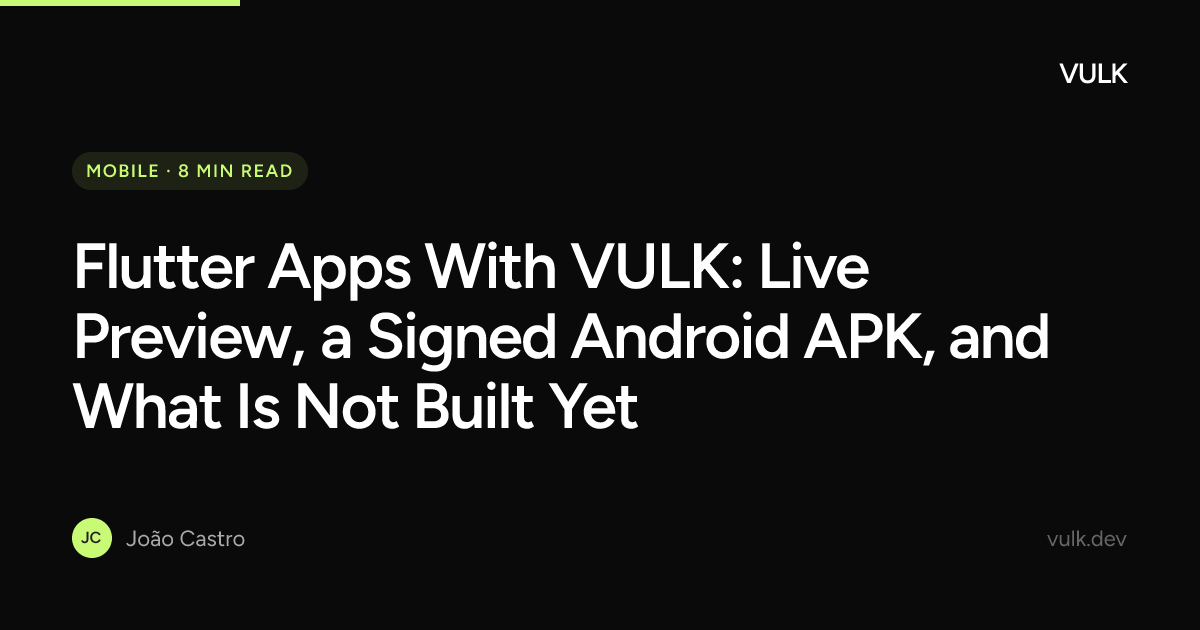
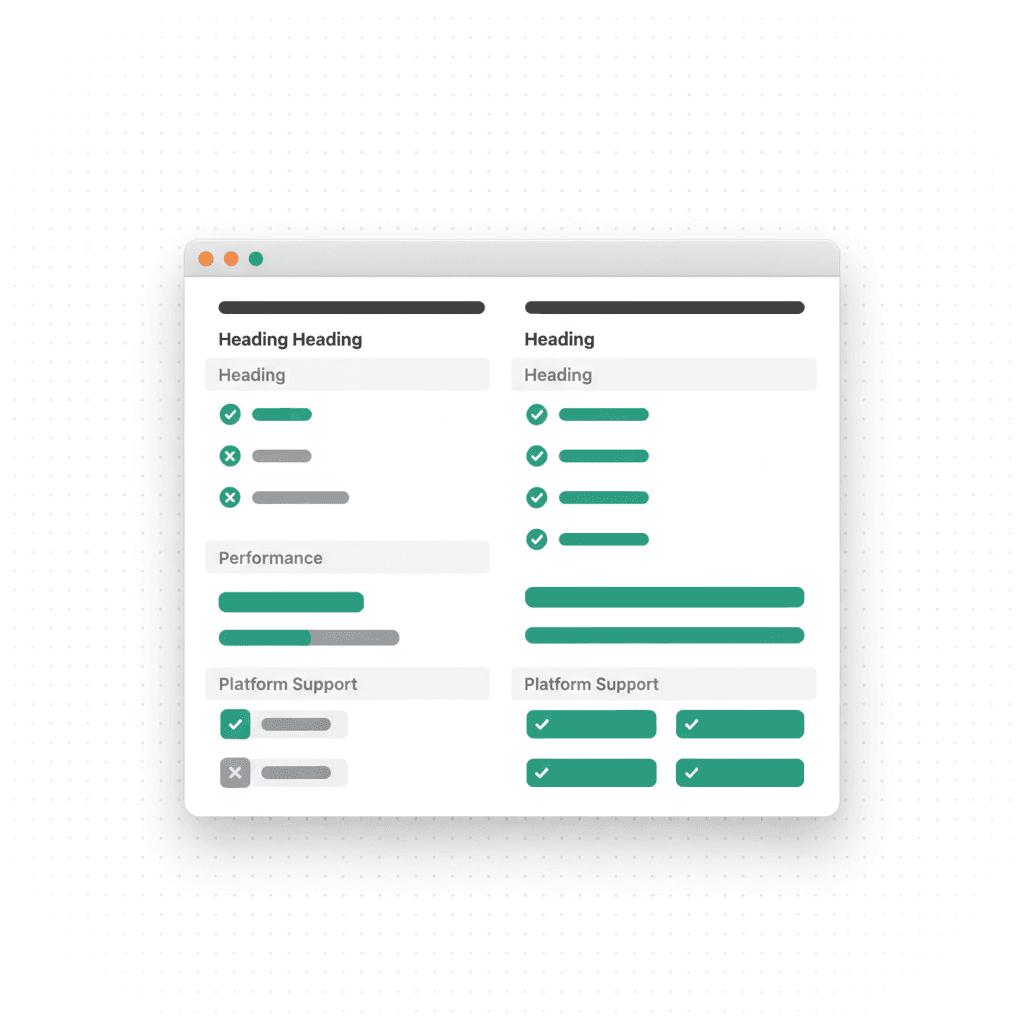
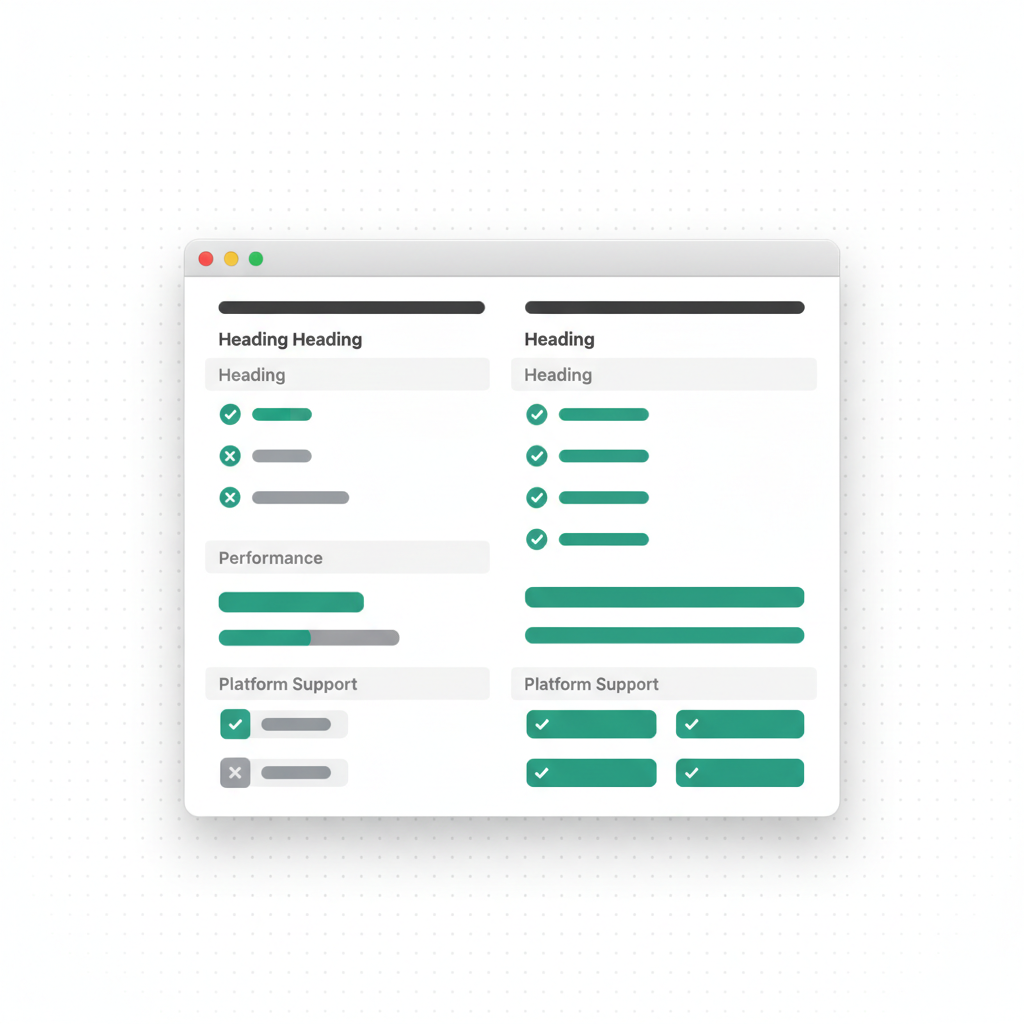
Flutter बनाम React Native: आमने-सामने तुलना
| आयाम | Flutter | React Native |
|---|---|---|
| भाषा | Dart | JavaScript / TypeScript |
| रेंडरिंग | अपनी UI ख़ुद खींचता है (Skia/Impeller) | ब्रिज के ज़रिए नेटिव प्लेटफ़ॉर्म विजेट |
| कंपाइलेशन | नेटिव मशीन कोड में AOT | JS इंजन + नेटिव मॉड्यूल (New Architecture) |
| एनिमेशन परफ़ॉर्मेंस | एकसार 60fps, भारी एनिमेशन के लिए सर्वोत्तम | स्टैंडर्ड UI में तुलनीय; भारी कस्टम महँगे पड़ते हैं |
| सीखने की ढलान | नई भाषा (Dart) सीखनी होगी | हर वेब/React डेवलपर को परिचित |
| इकोसिस्टम | छोटा, लगातार मेंटेन होते पैकेज | सबसे बड़ा पैकेज इकोसिस्टम, हायरिंग आसान |
| वेब कोड साझेदारी | सीमित (Flutter Web अलग टार्गेट है) | उच्च — React वेब से पैटर्न और लॉजिक साझा |
| AI कोड जेनरेशन | बेहद पूर्वानुमेय आउटपुट (टाइप्ड विजेट ट्री) | अच्छा, पर ढीले पैटर्न ज़्यादा भिन्नता देते हैं |
| VULK पर | पूरी पाइपलाइन: जेनरेशन → लाइव बिल्ड प्रीव्यू → APK/AAB एक्सपोर्ट | स्टैंडर्ड Expo प्रोजेक्ट, Expo Go में चलता है |
Flutter कब चुनना चाहिए?
Flutter तब मज़बूत विकल्प है जब आपकी एप्लिकेशन में जटिल कस्टम UI, भारी एनिमेशन हों, या उसे दोनों प्लेटफ़ॉर्मों पर हूबहू दिखना हो। यह AI टूलों से जेनरेट होती ऐप्स के लिए भी बढ़िया है, क्योंकि Dart की मज़बूत टाइपिंग और Flutter की विजेट ट्री संरचना पूर्वानुमेय, सुव्यवस्थित कोड देती हैं। Clean Architecture पैटर्न (डोमेन, डेटा और प्रज़ेंटेशन परतें) AI कोड जेनरेशन पर सहज बैठता है।
React Native कब चुनना चाहिए?
React Native तब मज़बूत विकल्प है जब आपकी टीम पहले से JavaScript जानती है, जब नेटिव प्लेटफ़ॉर्म सुविधाओं से गहरा इंटीग्रेशन चाहिए, या जब आप अपनी वेब और मोबाइल एप्लिकेशनों के बीच अधिकतम कोड साझा करना चाहते हैं। React इकोसिस्टम का आकार यानी ज़्यादा थर्ड-पार्टी पैकेज, ज़्यादा सामुदायिक संसाधन और आसान हायरिंग।
AI कोड जेनरेशन इस फ़ैसले में क्या बदलता है?
जितना ज़्यादातर तुलनाएँ मानती हैं, उससे कहीं ज़्यादा। अगर आपका पहला संस्करण कोई AI बिल्डर लिखता है, तो फ़्रेमवर्क की जेनरेशन-मित्रता उसके रनटाइम गुणों जितनी ही मायने रखती है। टाइप्ड प्रॉपर्टीज़ वाला Flutter का घोषणात्मक विजेट ट्री मॉडल के लिए सही ढंग से लिखना और जाँचना आसान है — इसीलिए AI-जेनरेटेड Flutter कोड ढीले JavaScript कोडबेस की तुलना में पहली कोशिश में ज़्यादा बार कंपाइल और रन हो जाता है।
क्षमता भी टूल के हिसाब से अलग है। VULK पर Flutter पूरा रास्ता है: प्रॉम्प्ट → जेनरेटेड Clean Architecture प्रोजेक्ट → ब्राउज़र में सर्वर-साइड बिल्ड प्रीव्यू → स्टोरों के लिए नेटिव APK/AAB एक्सपोर्ट (Builder प्लान और ऊपर)। React Native जेनरेशन NativeWind और Expo Router वाला स्टैंडर्ड Expo प्रोजेक्ट देती है जिसे आप Expo Go में चलाते हैं। अगर आप बिना लोकल टूलचेन के एक वाक्य से इंस्टॉल होने लायक़ Android बाइनरी तक जाना चाहते हैं, तो Flutter वह फ़्रेमवर्क है जो आपको यह पूरा चक्र देता है।
निष्कर्ष: 2026 में कौन-सा मोबाइल फ़्रेमवर्क जीतता है?
Flutter और React Native दोनों परिपक्व, सक्षम फ़्रेमवर्क हैं जो प्रोडक्शन मोबाइल एप्लिकेशन चला सकते हैं। सही चुनाव आपकी टीम के मौजूदा कौशल, आपकी एप्लिकेशन की UI जटिलता और आपकी दीर्घकालिक प्लेटफ़ॉर्म रणनीति पर निर्भर है। कोई भी वस्तुनिष्ठ रूप से बेहतर नहीं — दोनों अलग प्राथमिकताओं के लिए अनुकूलित हैं।
अगर आप नए सिरे से शुरू कर रहे हैं और UI एकरूपता व परफ़ॉर्मेंस को प्राथमिकता देते हैं, तो Flutter उत्कृष्ट विकल्प है। अगर आपके पास JavaScript टीम है और इकोसिस्टम की चौड़ाई क़ीमती है, तो React Native ज़्यादा समझदारी है। और AI कोड जेनरेशन के साथ, दोनों में से कोई भी शुरुआती बिंदु हो सकता है — पर डेटा दिखाता है कि जब जेनरेशन का घर्षण बराबर हो, तो बिल्डर भारी बहुमत से Flutter शिप करते हैं।
FAQ
क्या 2026 में Flutter React Native से तेज़ है?
एनिमेशन-भारी और ग्राफ़िक्स-गहन UI के लिए, हाँ — Flutter की AOT-कंपाइल्ड रेंडरिंग पाइपलाइन 60fps ज़्यादा एकसार बनाए रखती है। स्टैंडर्ड बिज़नेस ऐप्स (फ़ॉर्म, लिस्ट, नेविगेशन) में React Native की New Architecture ने फ़ासला इतना घटा दिया है कि उपयोगकर्ता फ़र्क़ नहीं बता सकते।
सीखना आसान किसे है: Flutter या React Native?
React Native, अगर आप पहले से JavaScript या React जानते हैं — मानसिक मॉडल सीधा स्थानांतरित होता है। Flutter में Dart सीखना पड़ता है, पर उसके दस्तावेज़, टूलिंग और हॉट रीलोड व्यापक रूप से सर्वश्रेष्ठ माने जाते हैं, इसलिए अनुभवी डेवलपरों के लिए चढ़ाई छोटी है।
क्या AI टूल Flutter और React Native ऐप्स जेनरेट कर सकते हैं?
हाँ। VULK दोनों प्रॉम्प्ट से जेनरेट करता है: Flutter को पूरी पाइपलाइन मिलती है (ब्राउज़र में लाइव बिल्ड प्रीव्यू और नेटिव APK/AAB एक्सपोर्ट), जबकि React Native आउटपुट एक स्टैंडर्ड Expo प्रोजेक्ट है जिसे आप Expo Go में चलाते हैं। Flutter का टाइप्ड विजेट ट्री उसके जेनरेटेड कोड को दोनों में ज़्यादा पूर्वानुमेय बनाता है।
जब AI सीखने की ढलान हटा देता है तो लोग असल में किससे बनाते हैं?
Flutter, बड़े अंतर से: पहचाने जा सकने वाले स्टैक वाले VULK प्रोजेक्ट्स का 5.6% Flutter है बनाम 0.3% React Native — लगभग 19:1 — और प्रॉम्प्ट डिमांड में Flutter सभी प्लेटफ़ॉर्मों में आगे है (381 बनाम 213 उल्लेख; VULK प्लेटफ़ॉर्म डेटा, जुलाई 2026)।
क्या Flutter iOS पर भी Android जितना काम करता है?
हाँ — एक Dart कोडबेस दोनों के लिए नेटिव कंपाइल होता है। VULK पर एक-क्लिक एक्सपोर्ट Android APK/AAB देता है, और वही सोर्स स्टैंडर्ड Flutter वर्कफ़्लो से iOS के लिए बिल्ड होता है।
Kotlin Multiplatform या नेटिव डेवलपमेंट का क्या?
पूरी तरह नेटिव (Swift/Kotlin) उन प्लेटफ़ॉर्म-विशेष ऐप्स के लिए अब भी जीतता है जिन्हें पहले दिन से हर OS API चाहिए — लगभग दोगुनी इंजीनियरिंग लागत पर। Kotlin Multiplatform बिज़नेस लॉजिक साझा करने के लिए आशाजनक है, पर 2026 में उसका इकोसिस्टम Flutter या React Native दोनों से बहुत छोटा है।