Introduction
Building software with AI is not a single step. It is a workflow that begins with an idea expressed in natural language and ends with a deployed application accessible to real users. Understanding this workflow -- and where human judgment fits into it -- is what separates a quick experiment from a production-quality product.
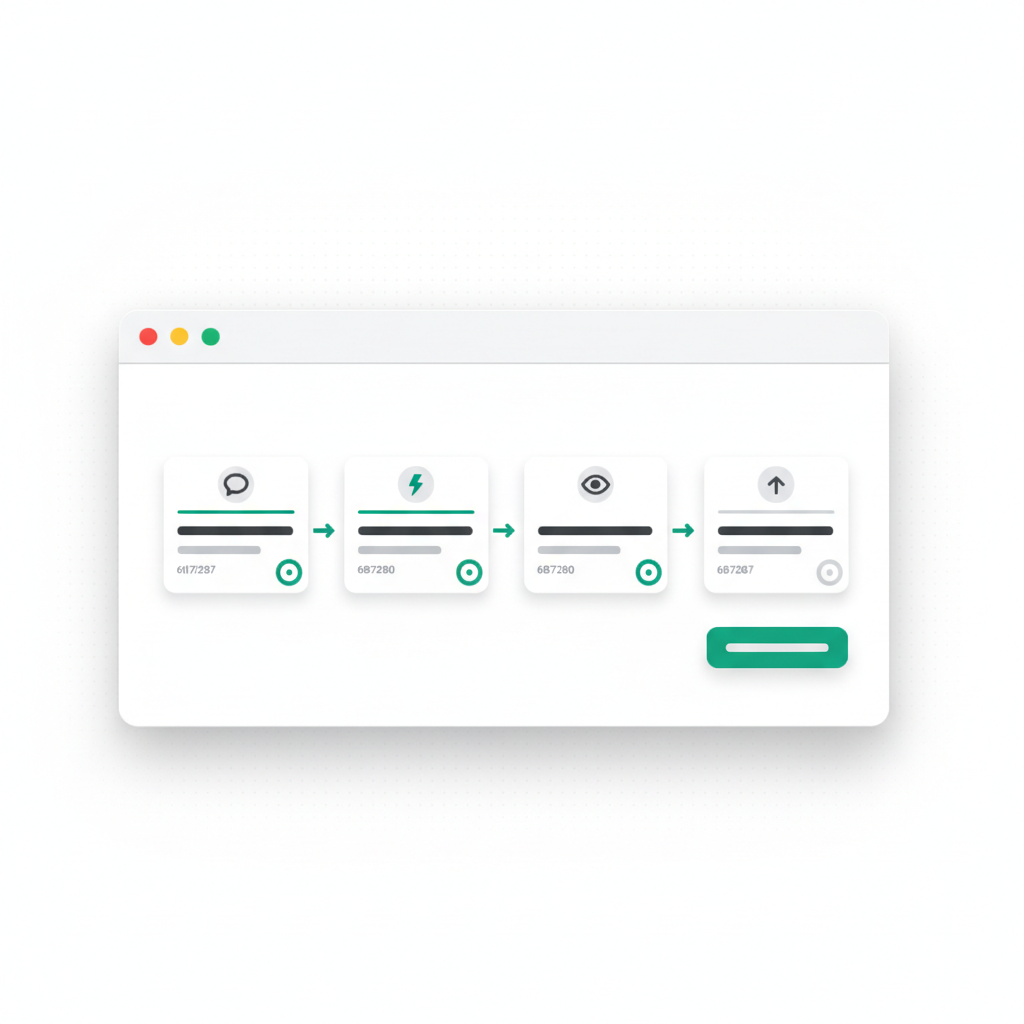
The process can be broken into four distinct phases: prompt writing, code review, iterative refinement, and deployment.
Phase 1: Writing the Prompt
The prompt is the blueprint. A vague prompt produces a generic result, while a detailed prompt produces something much closer to your vision. The best prompts include three elements: what the application does, how it should look, and what data it manages.
For example, instead of "build me a dashboard," a stronger prompt would be: "Build a sales analytics dashboard with a dark sidebar, line charts for monthly revenue, a data table of recent transactions, and a dropdown filter for date ranges. Use a blue and gray color scheme." This level of specificity gives the AI concrete constraints to work within.
Phase 2: Reviewing Generated Code
AI-generated code is not infallible. After generation, reviewing the output is essential. Check for correct component structure, proper data flow between components, responsive behavior on different screen sizes, and whether the generated features match your intent.
Look at the technology choices: is the code using functional React components with hooks? Are the Tailwind CSS classes organized logically? Is the TypeScript properly typed? Reviewing generated code is also an excellent learning opportunity -- the patterns used by AI models often reflect well-established conventions from the broader development community.
Phase 3: Iterative Refinement
The first generation is rarely the final product. Conversational editing -- describing changes in natural language -- lets you refine the application without manually editing code files. "Add pagination to the transactions table," "Make the sidebar collapsible on mobile," or "Change the chart library to use bar charts instead of line charts" are the kinds of edits that take seconds to describe but might take an hour to implement manually.
The key to effective iteration is specificity. Reference specific components, describe exact behaviors, and make changes in logical groups rather than one tiny adjustment at a time.
Phase 4: Deployment
Modern deployment has been simplified dramatically. One-click deploy to platforms like Cloudflare Pages means your application can be live on a custom subdomain within seconds. The frontend, backend, and database can all deploy together, eliminating the traditional complexity of coordinating multiple services.
Once deployed, share the URL with stakeholders, collect feedback, and use that feedback to drive the next round of edits. This tight loop -- build, deploy, learn, iterate -- is what makes AI-powered development so effective for rapid product validation.

Key Takeaways
- Invest time in writing detailed, specific prompts -- it pays dividends in output quality
- Always review generated code before deploying to production
- Use conversational edits for efficient iteration without manual code changes
- Deploy early and often to collect real user feedback
- Treat AI generation as a starting point, not a finished product
Conclusion
The prompt-to-production workflow is a new discipline that combines product thinking, technical judgment, and iterative refinement. Mastering it means you can move from idea to deployed application faster than ever before, while still maintaining the quality standards your users expect.
Published by João Castro · 2 min read