Introduction
Web development has always evolved in cycles. From hand-coded HTML in the late 1990s to component frameworks in the 2010s, each era brought tools that made developers more productive. But the current shift -- powered by large language models and AI code generation -- is arguably the most significant since the invention of the web browser itself.
In 2026, AI is not just assisting developers. It is participating in the creative process, generating entire applications from natural language descriptions, and handling tasks that previously required years of specialized expertise.
Code Generation Has Become Practical
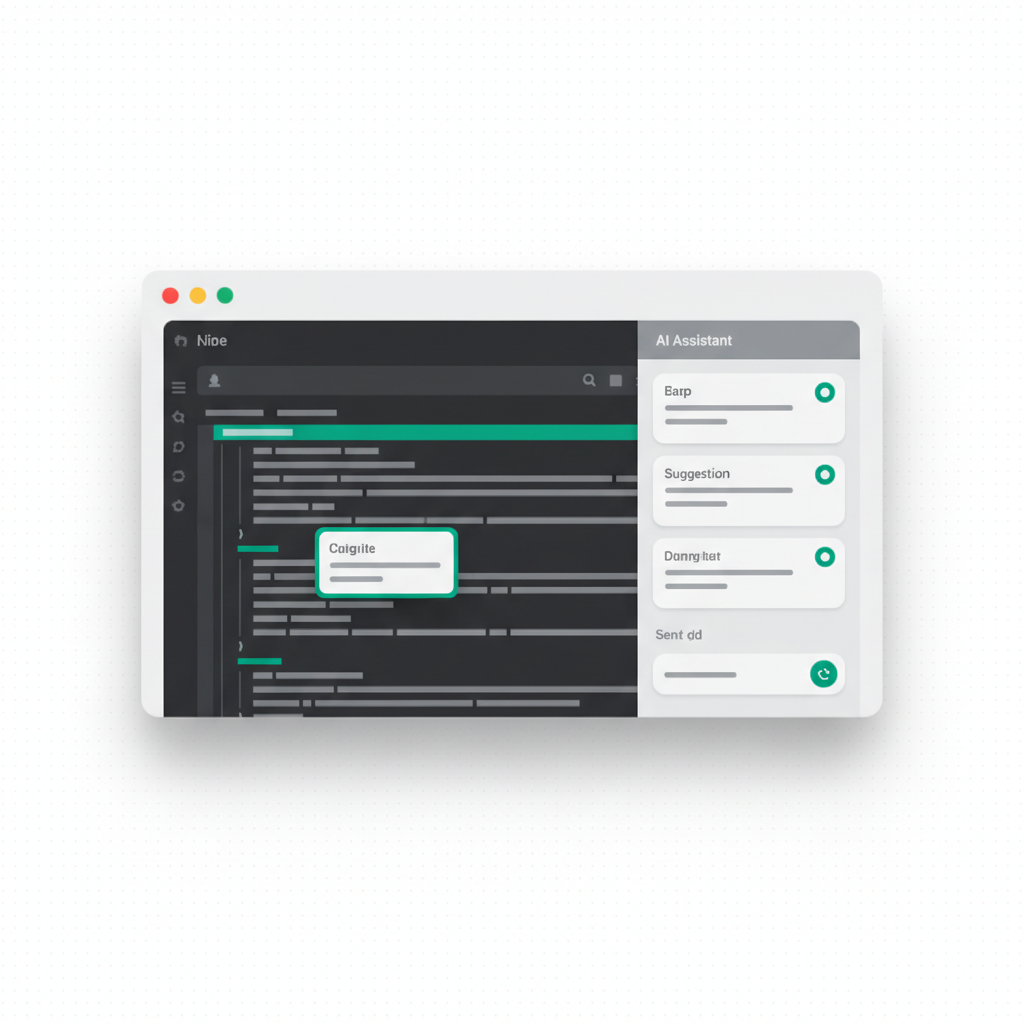
The most visible change is in code generation. Early attempts at AI-assisted coding were limited to autocomplete suggestions and snippet generation. Today, platforms can produce complete, functional applications from a text prompt. Describe a project management dashboard with authentication and a Kanban board, and you receive working React components, Tailwind CSS styling, proper routing, and even a PostgreSQL backend.
This is not about replacing developers. It is about removing the hours of boilerplate setup that precede the interesting work. When the scaffolding is handled automatically, developers spend their time on business logic, user experience, and the decisions that actually differentiate their product.
The Full-Stack Gap Is Closing
One of the most persistent challenges in web development has been the gap between frontend and backend. Building a React interface is one skill; designing a database schema and writing API endpoints is another. Connecting them reliably is a third. AI tools are collapsing these separate disciplines into a single workflow.
Modern AI app builders can generate a frontend, infer the necessary database schema from the UI requirements, create CRUD APIs, wire up authentication, and deploy the whole stack together. This does not eliminate the need for backend expertise -- complex systems still require careful architecture -- but it dramatically lowers the barrier for common application patterns.
Testing and Quality Assurance
AI is also transforming how we think about code quality. Automated code review tools powered by language models can identify potential bugs, security vulnerabilities, and performance issues before code reaches production. Some platforms generate applications that follow established best practices by default, using TypeScript for type safety, responsive layouts for cross-device compatibility, and semantic HTML for accessibility.
The implication is significant: the baseline quality of software is rising. Projects that would have shipped with accessibility issues or missing error handling now include these as standard features because the AI was trained on codebases that implemented them correctly.
What This Means for Developers
The role of the developer is shifting from implementation to direction. Knowing which framework to use matters less than knowing what to build and why. Product thinking, design sensibility, and the ability to evaluate and refine AI-generated output are becoming core competencies.
This does not make traditional coding skills obsolete. Understanding how React components work, how SQL queries perform, and how HTTP protocols behave remains essential for debugging, customization, and building anything beyond the standard patterns. But the entry point has changed. More people can build functional software, and experienced developers can operate at a higher level of abstraction.

The Road Ahead
- Natural language is becoming a legitimate development interface
- Full-stack generation is reducing time-to-market from months to hours
- AI-assisted testing is raising baseline code quality across the industry
- The developer role is evolving toward creative direction and system design
- Cross-platform output (web, mobile, games) from a single workflow is becoming standard
Conclusion
AI is not the end of web development -- it is the beginning of a new chapter. The developers and teams who learn to work with these tools effectively will build more, ship faster, and deliver better experiences to their users. The ones who dismiss AI as a gimmick risk falling behind as the rest of the industry accelerates.
The question is no longer whether AI will change web development. It already has. The question is how quickly you adapt.
Published by João Castro · 6 min read