
Atualizado a 18 de julho de 2026 — preços atualizados para os planos atuais e vias de deploy por plataforma refrescadas.
Como funciona o deploy num clique no VULK?
A resposta completa: clicas em Deploy no editor do VULK, o VULK constrói o teu projeto nos seus próprios servidores (vite build — compilação de TypeScript, bundling, purga do Tailwind, minificação, nomes de ficheiro com hash), publica a saída estática na rede global do Cloudflare e entrega-te um URL HTTPS ao vivo em o-teu-projeto.vulk.space. O processo inteiro — build, publicação, SSL — completa-se em 10 a 30 segundos. Sem pipelines de CI/CD, sem dashboards de hosting, sem configuração.
Essa velocidade importa pelo que a rodeia: o builder mediano do VULK vai do registo a uma app gerada em 47 segundos, e o deploy mantém o mesmo ritmo — da ideia ao URL ao vivo em menos de dois minutos no total (dados da plataforma VULK, julho de 2026, N = 11.355 projetos). O deploy está incluído em todos os planos, desde Builder 25 €/mês.
Porquê Cloudflare e não Vercel ou Netlify?
Perguntam-me isto a toda a hora. Todos os construtores de código com IA usam Vercel por omissão. É a escolha óbvia — ótima DX, integração apertada com Next.js, fácil de montar. Então porque pus o pipeline de deploy do VULK no Cloudflare?
Duas razões, e ambas se resumem ao que importa para as apps que o VULK gera.
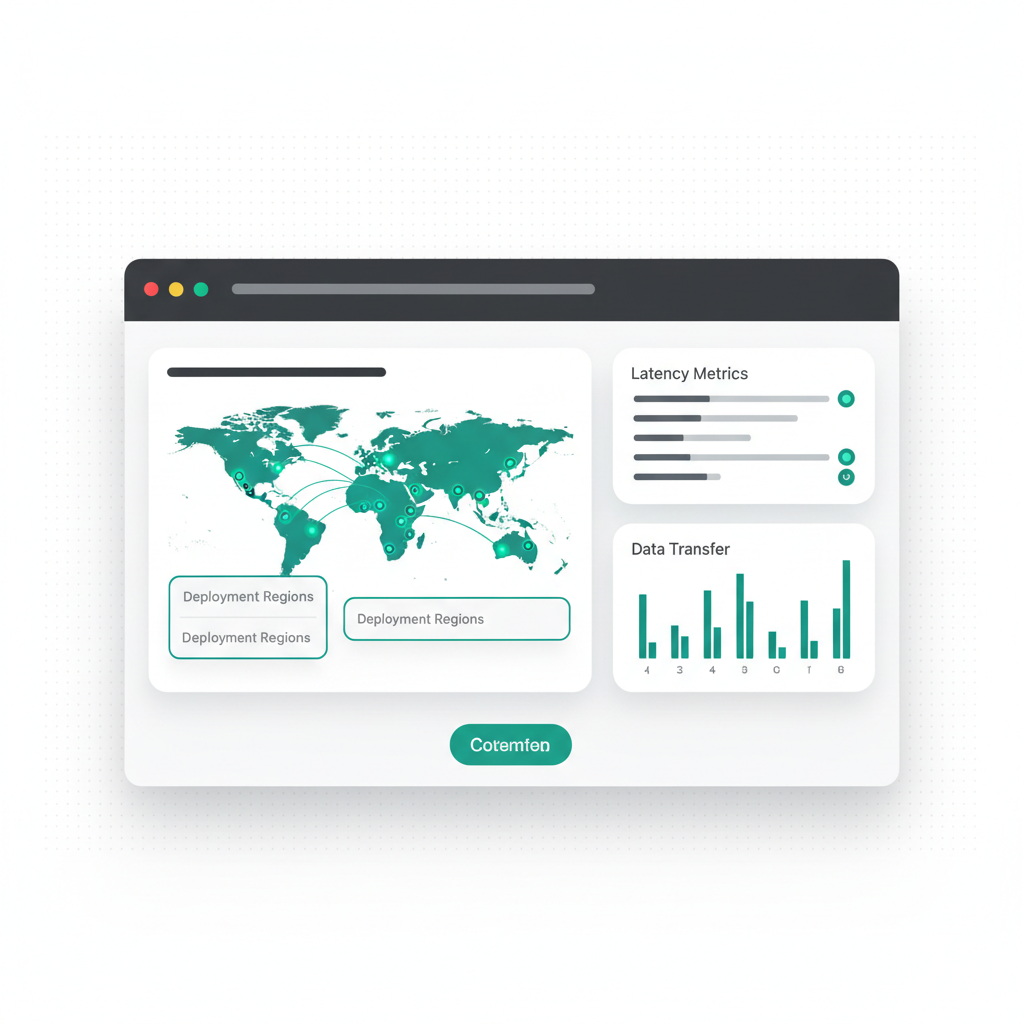
Rede global. A tua app publicada corre na rede global do Cloudflare, por isso é servida a partir de um local perto de cada visitante. Um utilizador em Tóquio e um utilizador em São Paulo carregam-na ambos de perto, e nunca tens de escolher uma região.
Deploys atómicos. Quando fazes redeploy, o Cloudflare serve a versão antiga até a nova estar completamente carregada, e depois troca instantaneamente. Sem estados meio-deployados. Sem downtime. Crítico para uma plataforma onde os utilizadores iteram e fazem redeploy com frequência.
Isto encaixa no que o VULK gera para a web: apps React + Vite que compilam para ficheiros estáticos. Quando um projeto tem backend, essa parte corre na infraestrutura do VULK, como descrito mais abaixo.
O que acontece, passo a passo, quando clicas em deploy?
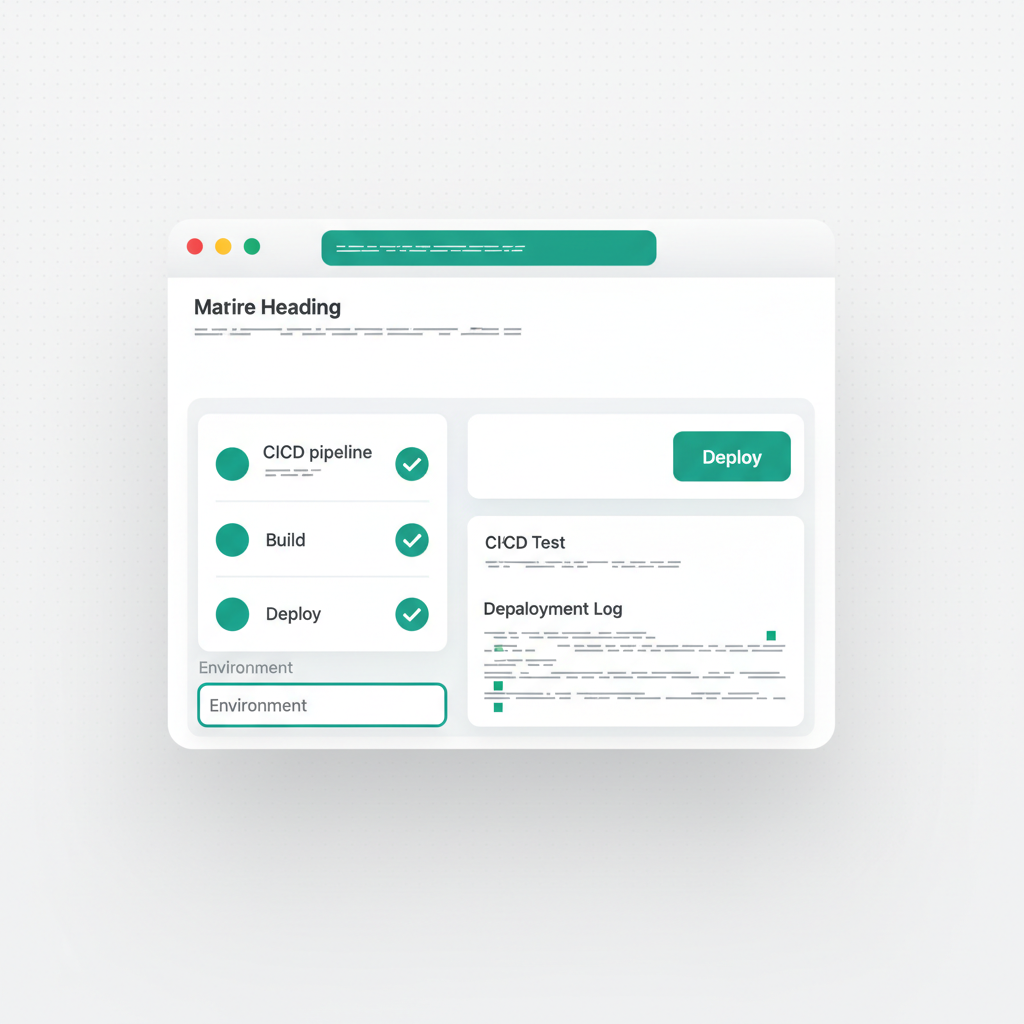
Passo 1: Clicas em Deploy. O botão está na toolbar superior, ao lado dos controlos de pré-visualização. Abre-se um diálogo de deployment com o progresso do build em tempo real.
Passo 2: O VULK constrói o teu projeto nos nossos servidores. Para uma app React + Vite corre o vite build, que compila TypeScript para JavaScript, agrupa todos os módulos em chunks otimizados, processa e purga o Tailwind CSS, minifica tudo, gera nomes de ficheiro com hash para cache busting e produz uma diretoria dist/ limpa. Isto acontece na nossa infraestrutura, não no teu browser. Os tempos de build vão de 5 a 20 segundos conforme o tamanho do projeto.
Passo 3: Publicação na rede do Cloudflare. A saída do build — HTML, CSS, JS estáticos e assets — é publicada na rede global do Cloudflare, por isso os teus ficheiros são servidos perto de cada visitante.
Passo 4: Recebes um URL ao vivo. O teu projeto fica ao vivo no seu próprio endereço vulk.space, algo como workout-tracker.vulk.space. O HTTPS é automático. Sem configuração. Sem esperas.
O que precisas antes de fazer deploy?
Duas coisas a verificar antes de carregar em Deploy:
A tua app compila na pré-visualização. Se a pré-visualização mostra erros ou um ecrã em branco, o build de produção também vai falhar. O build de produção do Vite é mais rigoroso do que o servidor de desenvolvimento — apanha erros de imports e de tipos que o hot module replacement às vezes deixa passar. Corrige-os primeiro.
Estás num plano adequado ao teu projeto. Planos: Builder (25 €/mês), Pro (50 €/mês), Team (80 €/mês), Max (200 €/mês) e Business (300 €/mês). O deploy de backend + PostgreSQL e os domínios personalizados começam ambos no Builder.
Quão rápidas são as apps deployadas?
Importo-me com isto porque as apps que as pessoas publicam a partir do VULK representam a nossa qualidade. Se forem lentas, isso reflete-se em nós.
As apps React geradas pelo VULK são otimizadas por omissão. O build do Vite produz chunks com code splitting, bundles tree-shaked e assets comprimidos, e a rede global do Cloudflare serve-os a partir de perto de cada visitante:
- Servida perto de cada visitante: a app é entregue a partir da rede global do Cloudflare, não de um único servidor numa só região
- Bundles enxutos: code splitting, tree shaking e minificação mantêm pequeno o que o browser descarrega
- Comportamento de cache: Os assets estáticos recebem nomes com hash, por isso podem ficar em cache durante muito tempo e os visitantes recorrentes carregam-nos da cache
Não precisas de configurar nada disto. O pipeline de build e a configuração do CDN são tratados automaticamente.
Como ligas um domínio personalizado?
O endereço vulk.space serve para testar e partilhar, mas para um projeto a sério queres o teu próprio domínio. Os domínios personalizados estão incluídos a partir do Builder. O processo:
1. Abre o teu projeto no VULK e adiciona o teu domínio (como myapp.com ou app.mydomain.com).
2. No teu registrar ou fornecedor de DNS, adiciona o registo DNS que o VULK te mostra, para que o domínio aponte para a tua app.
3. O VULK liga o domínio à tua app publicada e provisiona o certificado SSL automaticamente.
4. Assim que a alteração de DNS se propagar, a tua app responde no teu próprio domínio por HTTPS.
Como funciona o redeployment após alterações?
O desenvolvimento é iterativo. Depois do deploy vais fazer alterações — novas funcionalidades, correções, ajustes de design. O redeployment é idêntico ao primeiro deploy:
- Faz alterações no editor (via prompts ou edições manuais de código).
- Verifica na pré-visualização.
- Clica em Deploy.
A nova versão substitui a anterior no mesmo URL. O deploy atómico do Cloudflare torna a troca instantânea — os visitantes nunca veem um estado meio-deployado.
O histórico de versões do projeto permite abrir versões anteriores e restaurar os seus ficheiros. Depois de restaurar, verifica a pré-visualização e publica novamente para atualizar o URL publicado.
O que é deployado, e onde corre?
Deployado: Toda a saída estática do build. Ficheiros HTML, bundles JavaScript, ficheiros CSS, imagens da tua diretoria public/, fontes e quaisquer outros assets estáticos.
Fica nos servidores do VULK: Código fonte. Os teus ficheiros .tsx, node_modules, package.json e configuração de build ficam lá. O site deployado contém apenas a saída compilada.
Alojado na infraestrutura do VULK: APIs de backend. Se o teu projeto usa a geração de backend do VULK (PostgreSQL + rotas API), o backend corre na infraestrutura do VULK. O frontend deployado faz chamadas API aos nossos servidores.
Como é feito o deploy de cada plataforma?
Cada plataforma que o VULK gera tem a sua via:
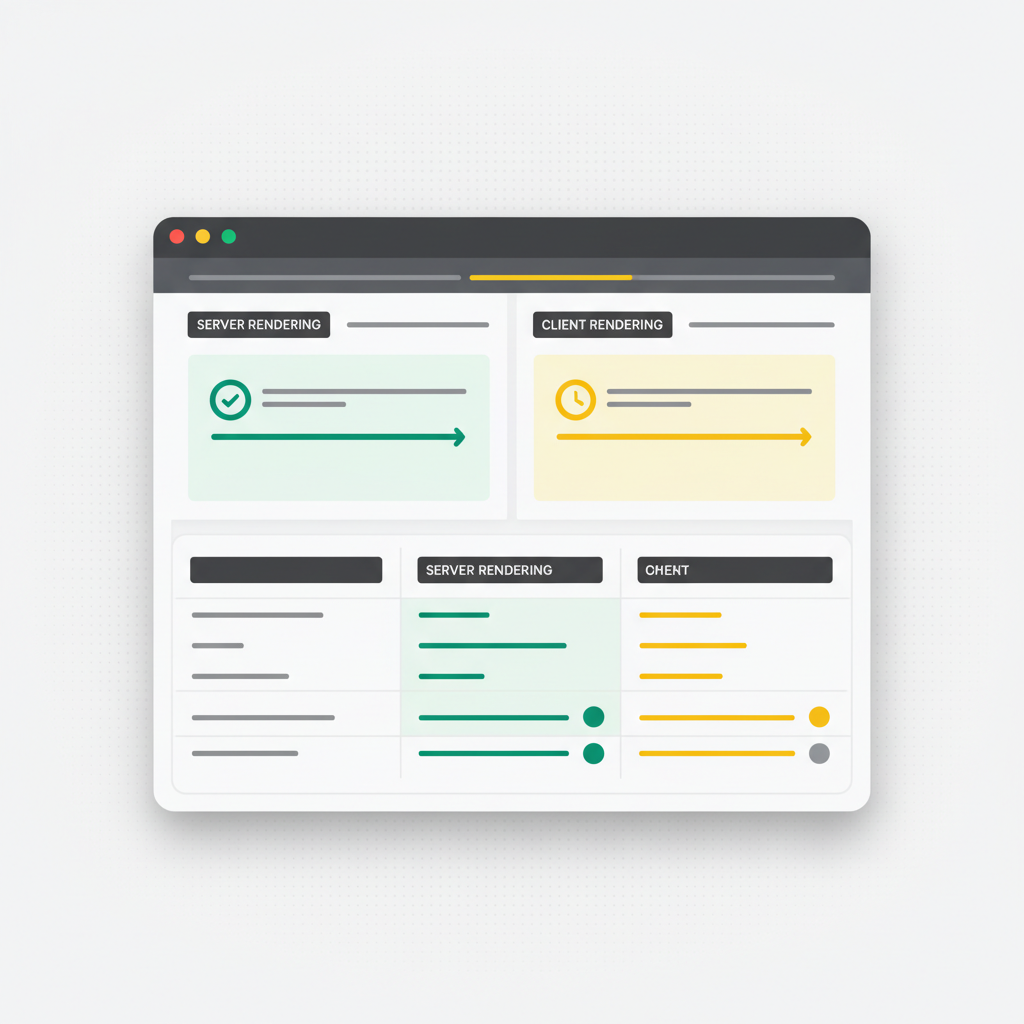
| Plataforma | Via de deploy |
|---|---|
| React + Vite | Um clique: vite build → o-teu-projeto.vulk.space |
| Jogos Three.js | Um clique: o mesmo pipeline Vite → o-teu-jogo.vulk.space |
| Flutter | Para dispositivos e lojas: build APK/AAB integrado, andaime de submissão às lojas |
| PHP / Laravel | Pré-visualização microVM ao vivo, depois exportar para qualquer host PHP |
| Python (FastAPI/Flask/Django) | Pré-visualização microVM ao vivo, depois exportar para qualquer host Python |
Como resolves problemas comuns?
O build falha. A causa mais comum é um erro de TypeScript ou de import que o servidor de desenvolvimento da pré-visualização tolerou mas o build de produção do Vite rejeita. Vê a mensagem de erro no diálogo de deployment e pede ao VULK para corrigir. Algo como: "O deploy falhou com 'Cannot find module ./components/Chart'. Corrige o import — o ficheiro é ChartCard.tsx."
Página em branco depois do deploy. Normalmente um problema de base path ou de routing. Pede ao VULK: "A app deployada mostra uma página em branco. Garante que o base path do Vite é '/' e que o React Router tem uma rota para a raiz."
Imagens ou fontes partidas. Os assets estáticos têm de estar na diretoria public/ e ser referenciados com caminhos absolutos a começar por /. Caminhos relativos funcionam em desenvolvimento mas partem-se depois do deployment.
FAQ
Quanto tempo demora mesmo um deploy?
10 a 30 segundos de ponta a ponta: 5–20 segundos do build de produção Vite nos servidores do VULK, depois uns segundos para publicar na rede do Cloudflare com SSL automático. Os redeploys no mesmo URL são atómicos — os visitantes nunca veem um estado a meio.
Pago alguma coisa ao Cloudflare pelo hosting?
Não. O alojamento faz parte do teu plano VULK a partir do Builder: o endereço vulk.space, a rede global do Cloudflare e o SSL vêm incluídos, e não precisas de uma conta Cloudflare tua. Os domínios personalizados também estão incluídos a partir do Builder.
Posso fazer deploy de uma app full-stack com base de dados?
Sim. O frontend é publicado em o-teu-projeto.vulk.space, na rede do Cloudflare; o backend gerado (PostgreSQL + API REST + auth JWT) corre na infraestrutura do VULK e o frontend deployado chama-o por HTTPS. O deploy de backend + base de dados está incluído a partir do plano Builder (25 €/mês).
Quanto custa fazer deploy?
O deploy está incluído em todos os planos. Planos: Builder 25 €, Pro 50 €, Team 80 €, Max 200 €, Business 300 € por mês.
Posso reverter um deploy mau?
Sim. Abre o histórico de versões, restaura a versão que queres, verifica a pré-visualização e publica novamente. O restauro do projeto cria uma nova versão; a publicação é um passo separado.
Queria que o deployment no VULK parecesse um não-acontecimento. Constróis a tua app, clicas num botão, e ela fica ao vivo na internet no seu próprio endereço vulk.space, na rede global do Cloudflare. Faz deploy da tua primeira app em vulk.dev.